“Big as the what?”
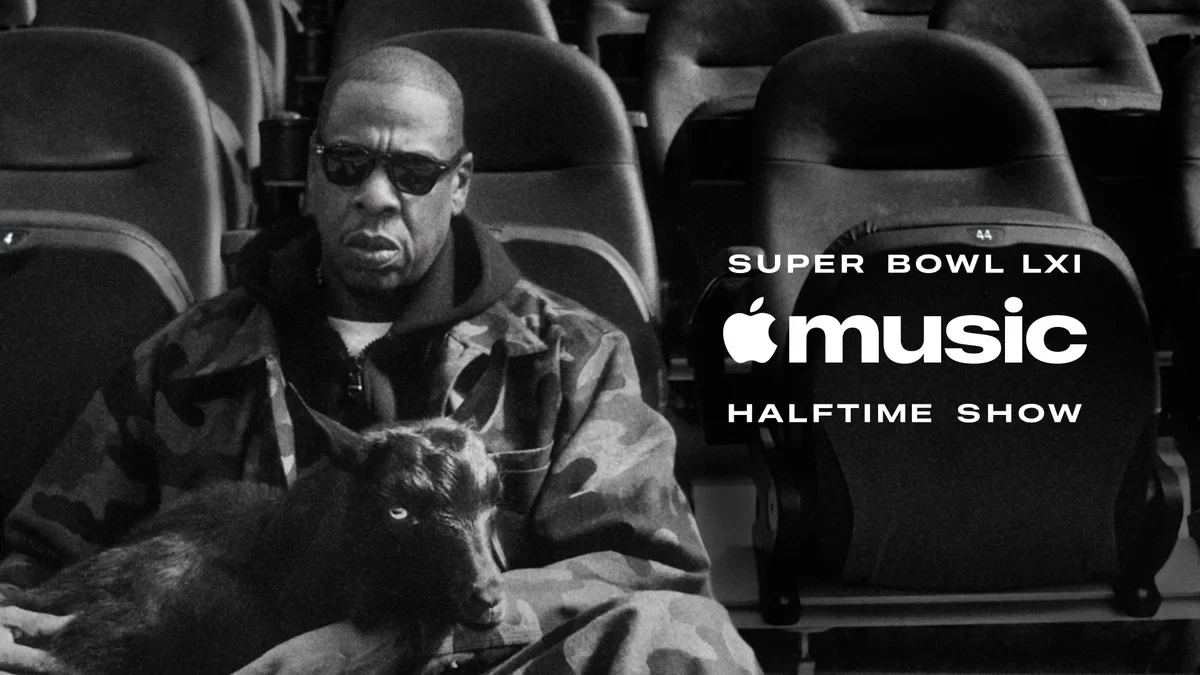
Jay Z is a legendary act and arguably a top-5 rapper of all time, but his decision to do the Super Bowl feels like a play he’s been setting up since this NFL partnership.
In a way, this feels cheap, like a manipulation tactic for Jay Z to stay relevant and push the narrative that he’s still at the top of the game and nobody can eclipse him.
Since 2020, Jay-Z and Roc Nation have appointed the Halftime performer, and over the last couple of years, they've met an unwritten criteria to be considered. This year, Bad Bunny took the stage after an insane album run and residency that brought over 150 million dollars in revenue to Puerto Rico. The Year Before that was Kendrick victory lap after his beef with Drake and the popularity gained from “Not Like Us.” Before that, Usher did over 100 sold-out shows with his Vegas residency.
Yes, this year Jay-Z has done Roots Picnic, three shows at Yankee Stadium, a UK show, and two shows at SoFi. He is also celebrating 30 years of Reasonable Doubt. This is a great year for a nostalgia act. But not good enough for a Super Bowl performer.
Before this year, Jay-Z has not been relevant in mainstream media or even Hip Hop media in recent years. These shows sell out because of nostalgia, not new content that contributes to Hip Hop's development. “Reasonable Doubt” is a great album and a legendary street classic, but it wasn’t that relevant when it first dropped, selling 43k the first week and finally becoming platinum in 2002, even though it was released in 1996.
The excuse that no artist is “compelling” enough sounds like a buzz statement and an excuse to get Jay Z to perform and paint a revisionist history of hip hop. While it’s slim pickings for a performer, there are still better options. Justin Bieber is one name that comes to mind; he recently headlined Coachella and dropped an album that was a massive success. If Drake and Jay z had a better relationship, he would have been a perfect option after dropping three albums in one night and dominating the Billboard charts for most of the year. Miley would have been a solid option if a Dolly tribute was on the table. I wouldn't agree with Taylor Swift as an option, but she’s better than Hov, since she just dropped “Life of a Showgirl” and was inducted into the Nashville Songwriters Hall of Fame. If we were going the legendary hip-hop act route, Kanye West would have been perfect. Kanye independently dropped an album this year, “Bully,” and has been doing stadium performances all year. Already selling out 17 shows across the world. Maybe Big Brother needs to look at little brother to see what true relevance looks like.
Hip-Hop is Not Dead
“Hip-hop is dead” is a line you’ll often hear from old heads who can’t get over the Golden Age, as well as casual listeners who get their rap exclusively from generic playlists or social media pages. But, as always, that couldn’t be further from the truth. Hip-hop isn't dead; it’s doing what it always has: reflecting the world we live in.
Hip-hop is going through the same thing that other music genres are experiencing right now. As a whole, music is in a bit of a down period, and a multitude of factors contribute to this.
We, the consumers, are currently living through a nostalgia boom. In July, Variety published an article by Cynthia Littleton titled “Gen Z Leans Hard into Nostalgia to Spur Music and Content Discovery: Study.” Littleton discusses a study commissioned by Vevo, the music video platform that has provided us with some of our favorite music videos. Sony Music and Universal Music Group (UMG) also own Vevo.
The study surveyed 1,800 people across the U.S., U.K., and Australia, spanning multiple generations. Littleton quotes the study as stating, “These digitally native consumers yearn for collective, shared experiences that existed before content was available immediately on demand.” When participants were asked, “What feels most nostalgic to you?” music ranked first, with 88% of the votes.
Personally, I think this nostalgia kick stems from the internet's development and the widespread use of social media. I know, I know, I sound like a grandpa, but hear me out. With the rise and mass adoption of social media, we’re constantly exposed to an overwhelming amount of content, and music is one of its biggest components. This constant stream can lead to decision fatigue, pushing audiences toward what feels familiar instead of encouraging them to explore something new.
The demand for new music seems to be practically nonexistent. Social media platforms, record labels, and corporations understand that mainstream audiences often rely on algorithms to curate their listening experiences rather than actively seeking out and discovering new artists. With that in mind, record labels' goal shifts from finding raw talent and developing artists to finding the most marketable personality to push the next product.
Now that companies are pouring money into labels like never before, the metrics for success have changed. Music has become an accessory to the artist’s overall image, while the artist themselves becomes little more than a ghost designer behind the product. Meanwhile, the label takes the credit. And we, the consumers, just sit back and watch.